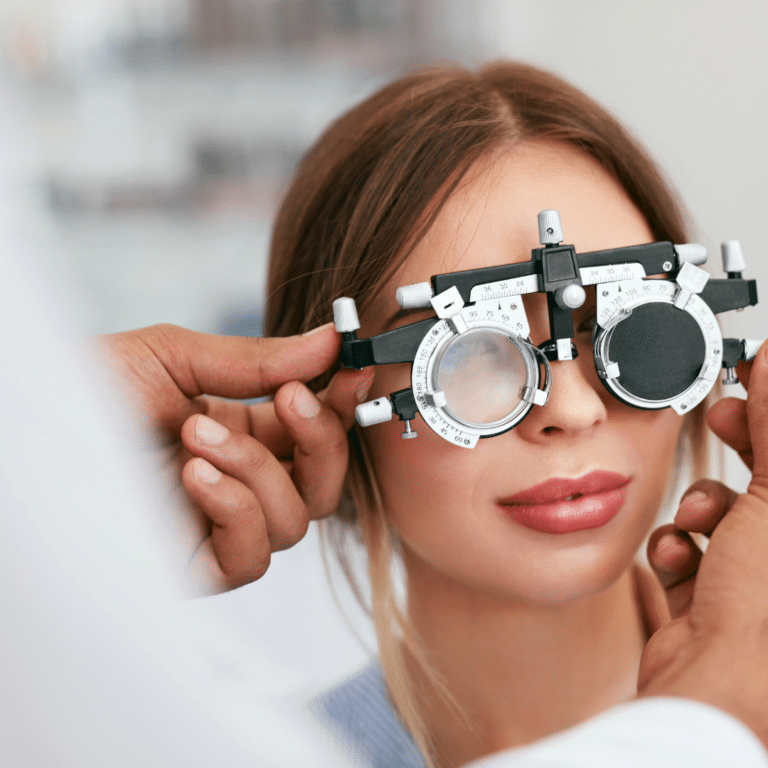
What Is A Stage 3 Cataract?
Cataracts are a super common eye condition. In fact, more than half of all Americans aged 80 or older have cataracts or have had cataract surgery. Cataracts typically develop after age 55 but can also affect younger patients so the odds are in favor of developing cataracts sometime in your lifetime. The good news though…
Read More
How Are Visual Acuity Tests Done?
By undergoing a comprehensive eye exam at Eye Associates of Tucson, you are proactively playing a role in the preventative care of your eye health and vision clarity There are many vision problems and eye diseases that do not present with obvious symptoms until either the issue progresses resulting in impaired vision or has advanced…
Read More
Will Cataracts Return After Surgery?
After successful cataract surgery, cataracts will not return. There is a condition known as secondary cataracts that is often confused with the return of cataracts after surgery, but they are not the same. To better understand the difference, it is important to know what cataracts are, how they develop and the outcome of cataract surgery. …
Read More
Glaucoma Cure
The best treatment available for glaucoma is the lowering of intraocular pressure. Only with a comprehensive eye exam can you know for sure if any signs and symptoms you are exhibiting are a result of glaucoma. While there is no cure for glaucoma, early treatment can stop damage and help prevent further vision loss. Glaucoma…
Read More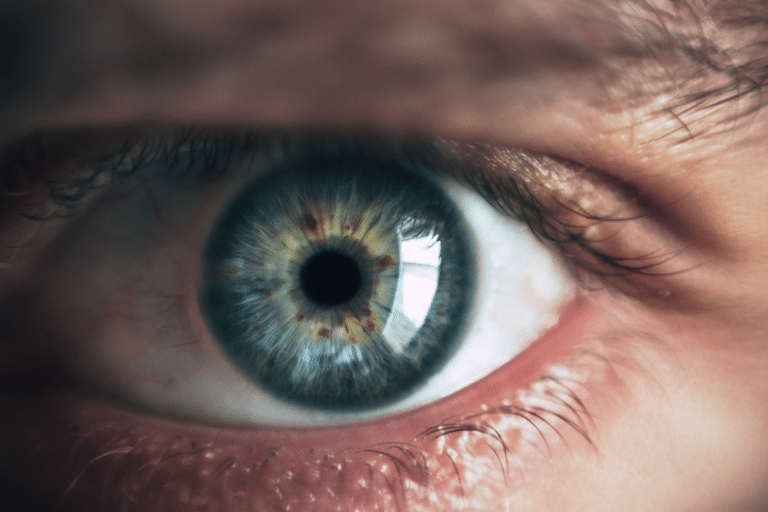
What Does a Person With Diabetic Retinopathy See?
Diabetic retinopathy is an eye disease that affects the retina in those with diabetes, including gestational diabetes as well as type 1 and type 2 diabetes. If you have diabetes, risk factors for diabetic retinopathy can include pregnancy, hypertension, uncontrolled blood sugar, hyperlipidemia, high blood pressure and smoking. Without treatment, diabetic retinopathy can lead to…
Read More
What Does Dry Eye Look Like?
If you notice your eyes are looking red or even bloodshot, there are several common causes that are the likely culprit. Allergies, broken blood vessels, pinkeye, glaucoma and dry eye syndrome are some of the most notable triggers for eye redness. When tiny blood vessels on the white surface of the eye expand, one or…
Read More
What Will Happen if Cataracts are Left Untreated?
Cataracts form when protein builds up over the lens of a normally clear eye causing cloudiness or blurry vision. Light passes through the lens located behind the iris (colored part of the eye) sending a signal to your brain of the image you are trying to see. When cataracts cover the lens, the image is…
Read More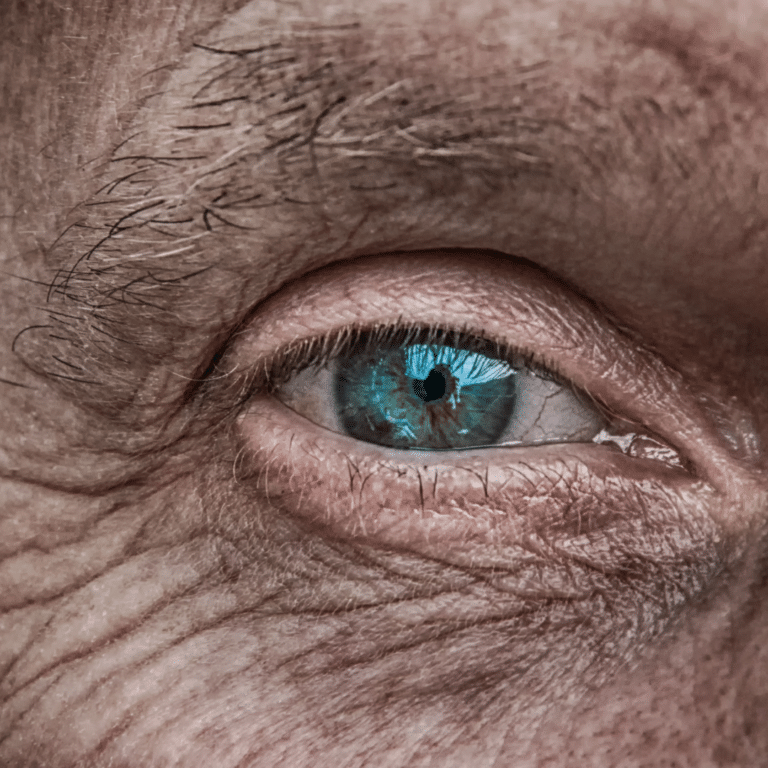
Are Eye Floaters Normal?
We rely on our eyesight for so much of our everyday life, it is easy to worry over the slightest change in vision. Some things are not cause for concern initially but should be monitored over time along with any other changes you may be experiencing. This is true in the case of eye floaters….
Read More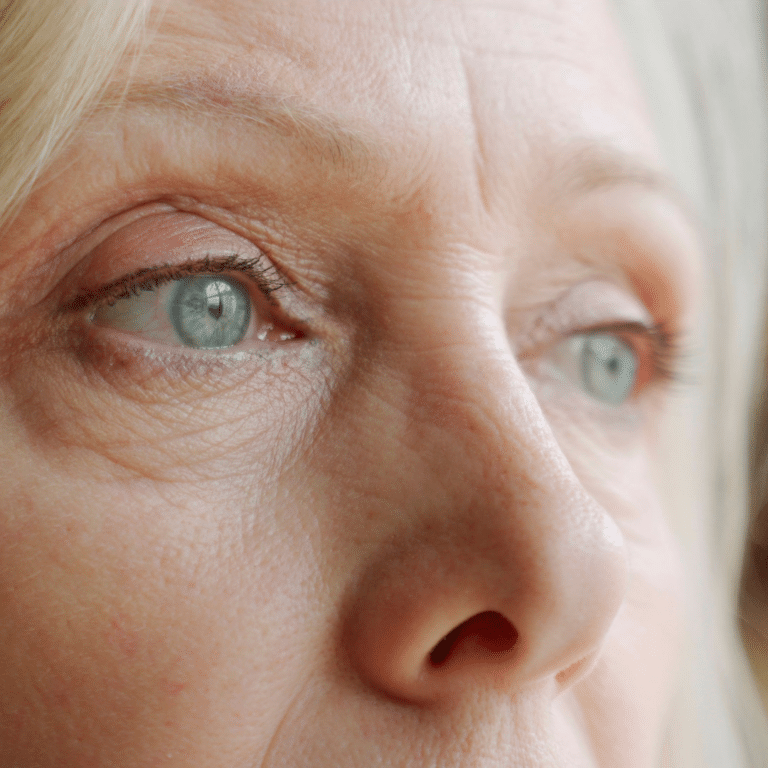
What is the Main Cause of a Cataract?
Many eye diseases not only progress with age, but age is often the root cause behind the onset of serious eye conditions, including cataracts. The main cause of a cataract is due to age with 90% of people developing a cataract by age 65. Other cataract risk factors that may speed up cataract development include…
Read More
Types of Eye Exams
Routine eye examinations are vital to eye health and clear vision. Eye Associates of Tucson offers eye exams for specific issues such as a contact lens fitting or if you are experiencing any pain or discomfort. However, it is important to schedule an annual comprehensive eye exam to be sure any changes in vision or…
Read More